About this service
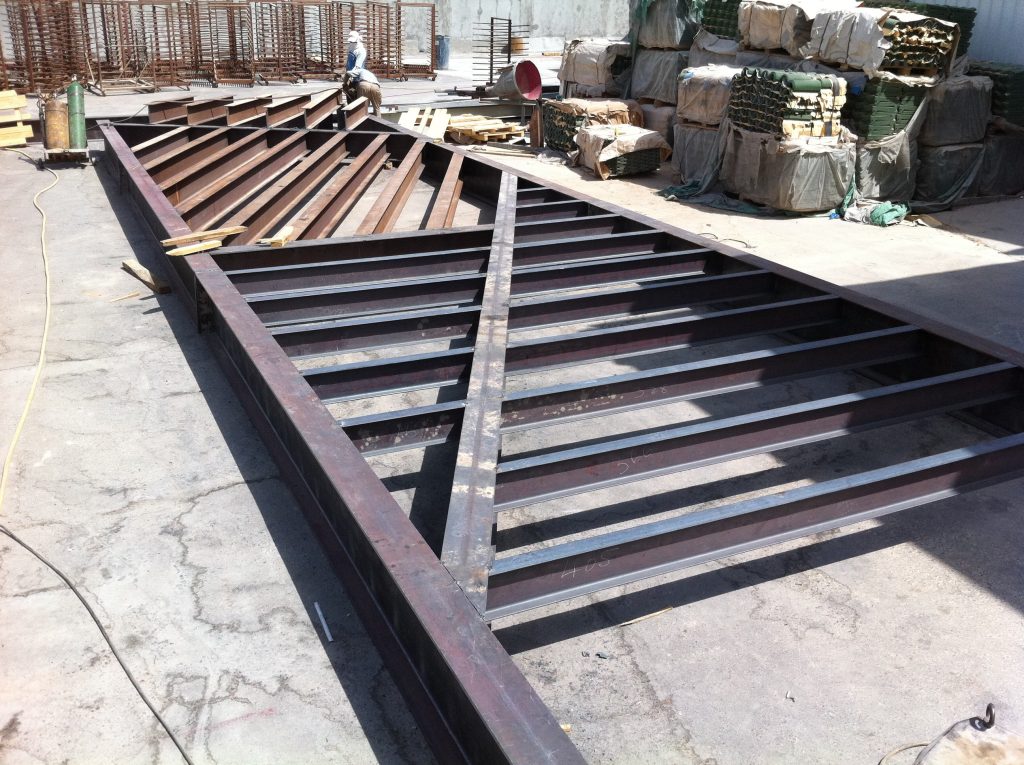
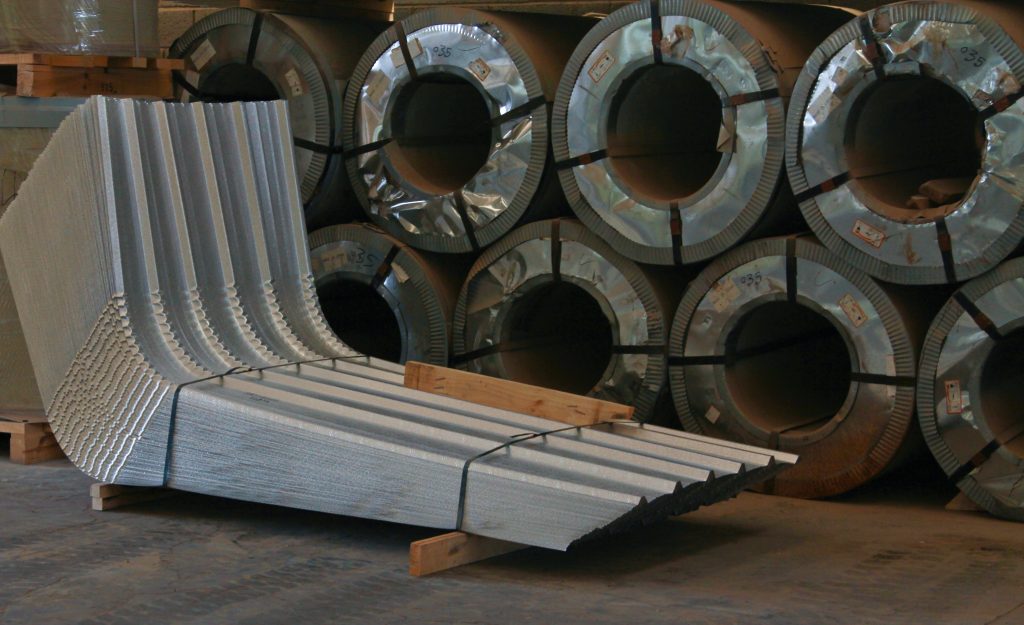
Purlins for metal manufacture refer to structural components used in the construction of metal buildings and roofs. Purlins are horizontal beams or structural members that provide support for the roof covering, such as metal panels or sheets. They are typically made of steel or other durable materials and are designed to distribute the weight of the roof evenly and provide stability to the overall structure. Here are some key details about purlins for metal manufacturing:
1. Purpose and Function:
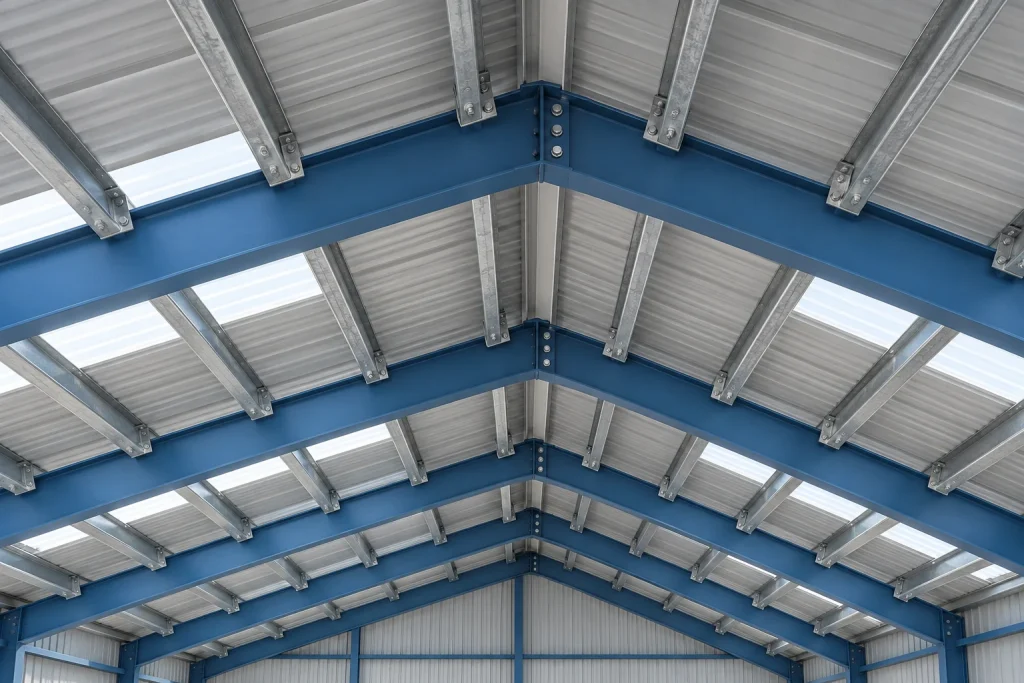
- Load distribution: Purlins serve as a structural framework for transferring the weight of the roof to the primary structural components, such as rafters or trusses.
- Roof support: Purlins provide support for the roof covering, preventing sagging, and maintaining the overall integrity of the roof system.
- Attachment points: Purlins are often used as anchor points for attaching the roof covering materials, such as metal panels or sheets.
2. Types of Purlins:
- C-Purlins: C-shaped purlins have a cross-section resembling the letter "C" and are widely used in metal construction. They are lightweight, cost-effective, and provide excellent load-bearing capacity.
- Z-Purlins: Z-shaped purlins have a cross-section resembling the letter "Z" and are commonly used in roof applications. They offer improved structural strength and stiffness compared to C-purlins.
3. Advantages of Metal Purlins:
- Strength and durability: Metal purlins provide robust support for the roof, ensuring stability and longevity of the structure.
- Lightweight: Metal purlins are lightweight, which simplifies construction, reduces material costs, and eases the installation process.
- Versatility: Purlins can be designed to accommodate various roof configurations and load requirements.
- Compatibility: Metal purlins are compatible with a wide range of roof covering materials, including metal panels, sheets, or composite materials.
- Resistance to weather and corrosion: Metal purlins are highly resistant to weather conditions, such as wind, rain, snow, and sunlight, as well as corrosion and decay.
4. Installation Process:
- Purlins are installed horizontally along the length of the roof, typically spaced at regular intervals based on the load requirements and engineering specifications.
- They are securely attached to the primary structural components, such as rafters or trusses, using appropriate fasteners or connection systems.
- The roof covering materials, such as metal panels or sheets, are then attached to the purlins, providing a weather-tight and structurally sound roof.
Metal purlins are essential components in metal manufacturing as they provide critical support and stability to the roof structure. They contribute to the overall strength, durability, and integrity of metal buildings, ensuring their long-term performance and protection against environmental elements.