About this service
Poultry housing for metal factories refers to the construction and design of poultry houses specifically tailored for the unique environment and conditions found in metal factory settings. These facilities are typically created to provide a safe and controlled environment for raising poultry near or within metal factories. Here are some key considerations and details regarding poultry housing for metal factories:

1. Location and Site Selection:
- Proximity to the factory: Poultry houses may be situated near the metal factory to make use of available space or to take advantage of waste heat or byproduct utilization.
- Environmental factors: Careful consideration must be given to factors such as air quality, noise levels, and potential pollution from the metal factory. Appropriate measures should be taken to mitigate any negative effects on the poultry.
2. Structural Design:
- Protection from contaminants: Poultry houses in metal factory environments should be designed to prevent the ingress of dust, fumes, chemicals, or other potential contaminants. This may involve the use of air filtration systems, sealed walls, or advanced ventilation systems.
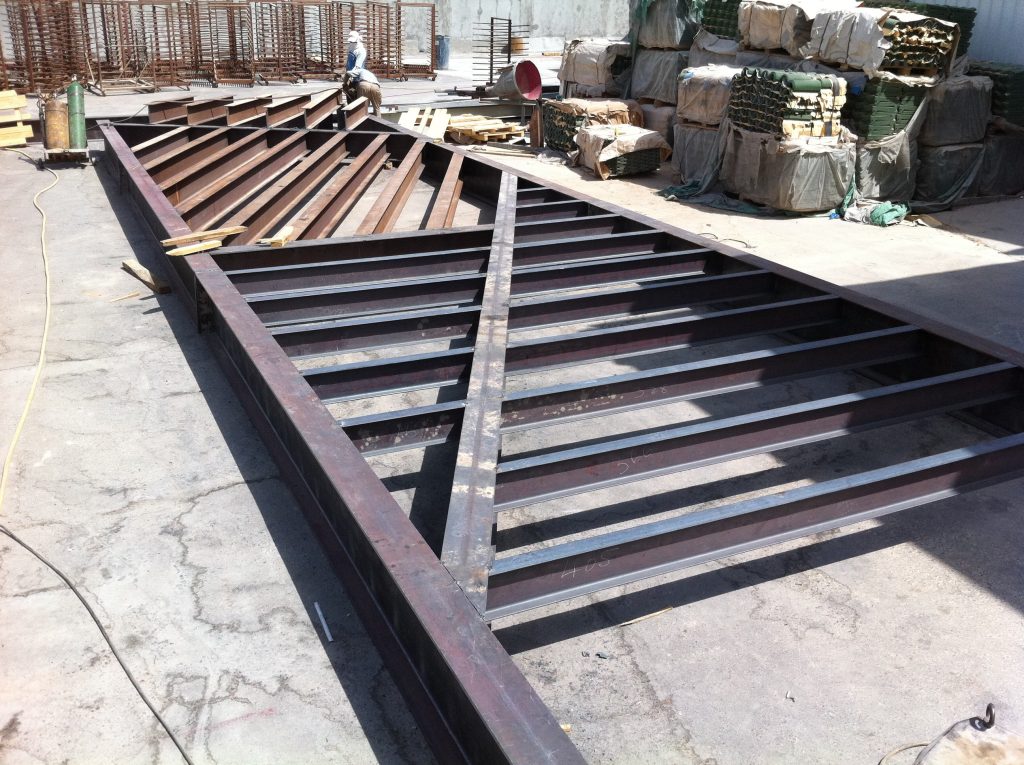
- Durability: The structure of the poultry house should be able to withstand the nearby metal factory's operations and potential exposure to heat, vibrations, or other environmental factors. Sturdy materials such as steel or reinforced concrete may be used.
3. Ventilation and Air Quality:
- Adequate ventilation: Proper airflow and ventilation systems are essential to control temperature, humidity, and remove airborne pollutants or odors that may arise from the metal factory.
- Air filtration: Depending on the level of pollutants in the vicinity, additional air filtration systems may be required to ensure the poultry are not exposed to harmful particles or gases.
4. Noise Control:
- Noise reduction measures: Metal factories can generate significant noise levels, which may cause stress or disturbance to the poultry. Implementing noise reduction measures, such as soundproofing insulation or strategic placement of the poultry houses, can help minimize the impact of noise.
5. Biosecurity and Waste Management:
- Biosecurity protocols: Maintaining strict biosecurity measures is crucial in metal factory environments to prevent the introduction and spread of diseases. Controlled access, hygiene protocols, and quarantine procedures for birds and personnel should be in place.
- Waste management: Proper management of poultry waste, such as manure, is essential to minimize the risk of contamination. Appropriate waste collection and disposal systems should be implemented.
6. Safety Considerations:
- Fire safety: Metal factories may pose fire risks, so it is important to incorporate fire-resistant materials and fire suppression systems in the poultry housing design.
- Electrical safety: Poultry houses should be designed and equipped with electrical systems that adhere to safety standards to prevent hazards and potential electrical interference from the nearby metal factory.
It is essential to consult with professionals experienced in both poultry production and metal factory operations to ensure that the poultry housing design meets the specific requirements and challenges of the metal factory environment. Adherence to local regulations and guidelines is also crucial to maintain the health and welfare of the poultry and ensure the safety of the workers in both the poultry and metal factory operations.